Epigenetics
- Garvit Arora

- Jan 10, 2021
- 2 min read
Why are twins so different even though they have the same genetic material? or why does a liver cell not behave like a muscle cell despite having the same 43 chromosomes? or why do we differ drastically from monkeys although we share 96% of our DNA with them?
The answer lies in DNA but not in the way you might think. The answer, simply put, is caping of certain genes on the surface of the DNA. This capping is done through methylations and acetylations, which acts as tags controlling gene expression.
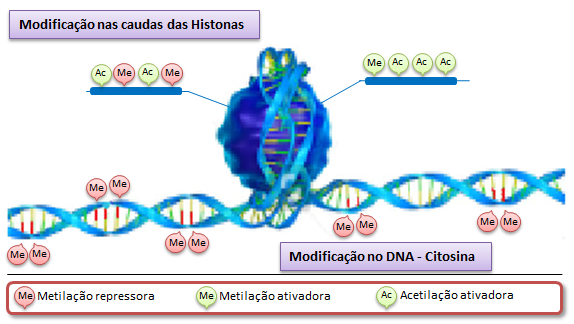
Surprisingly enough, these changes are largely governed by the environment, and our habits can have a major influence on the expression of good genes and suppression of bad genes or either way around. The process is still not understood, but the effects are conclusive.
There is even strong evidence to support the effect of these surface changes on our habits. According to the chief of the Carcinogenesis Division of Japan’s National Cancer Center Research Institute, among the five most important factors influencing cancer, epigenetics is one of them, and could potentially contribute one-third to one-half of known genetic alterations.
Till now, there have been about 80 genes identified which can be imprinted, however, evidence varies. Randy Jirtle, a professor of radiation oncology at Duke University Medical Center, and his colleagues estimated in the June 2005 issue of Genome Research that there could be about 600 imprinted genes in mice; in an October 2005 interview Jirtle said he’s anticipating a similar tally for humans, even though the known imprintable genes of mice and people have an overlap of only about 35%.

We now have conclusive proof that mediation can lead to DNA methylations, and histone modifications, which can positively impact your health. It is important to note that these epigenetic changes do not affect the sequence of bases, just the expression. Inner silence, quite state of mind, and relaxation can counteract the effects of increasing noise in the environment as reported by WHO( World Health Organization) .


Comments